A lot of people nowadays are scared of fat. Society has grasped the idea that too much fat is bad for the body. It is, indeed, but we should be worrying more about high fructose corn syrup.
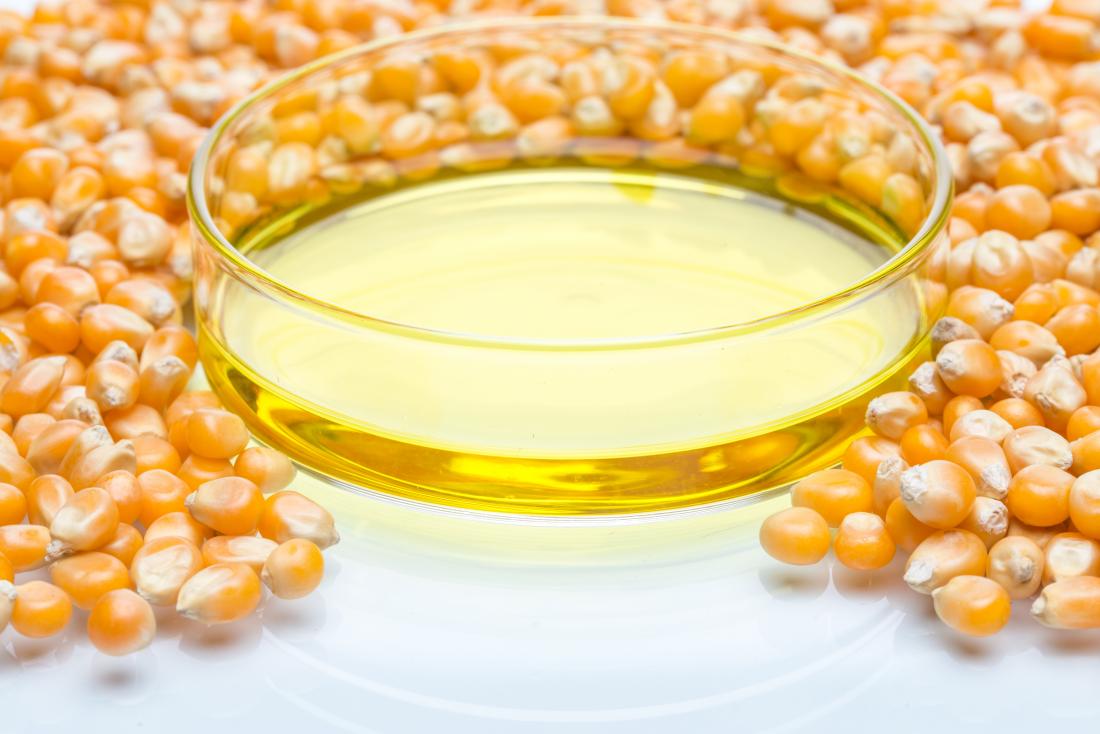
Before it was invented and put on everything on the market, our bodies found fructose from natural sources. Honey, vegetables, and fruits. Then, the early 1970s came and we started putting high fructose sweeteners in soda. The food industries figured it would be much cheaper to implement this artificial high fructose sweetener than to include high quality natural sweeteners. Next thing we know, high fructose corn syrup has invaded everything on the menu. Bread, yogurt, frozen foods, juice, soda, condiments, and canned food are packed all the way with unnatural amounts of sugar. Just read the labels.
Glucose all around is not bad. It is actually essential for the body and its metabolic processes. Fructose, on the other hand, is found in nature in lower amounts. Even highly sweet tasting aliments, like raw, unaltered honey, contain about forty percent fructose and the rest glucose. Nowadays, we have much more fructose in our goods because it is more convenient for business. This high fructose corn syrup allows companies to mass produce and sell their products at maximum profit while keeping their costs as low as possible. The hard truth is that artificial sweeteners are probably responsible for obesity crisis that has struck populations ruled by big food companies. Yet we stand here misinformed, going after fat and blaming high fat foods instead.
High fructose corn syrup is not only cheaper to produce, but also it does the following:
- Highly addicting qualities, since the brain does not process the right hunger signals when consuming artificial sweeteners
- Converted to fat by the liver in a rapid manner due to its toxic qualities when ingested in high amounts
- Hidden in a lot of unexpected goods
- Linked to heart disease, obesity, and diabetes
Sure, fructose won’t kill you, thanks to the liver. One of the most vital organs in the body, the liver is responsible for filtering and converting toxins into non harmful things. Maybe fructose is not harmful, but our bodies are not accustomed to unnaturally high amounts of it. The chances of developing diabetes on a high fructose diet is terribly high. In addition, it is so incredibly easy to keep consuming because our minds are used to it. We crave sugary foods all the time. Combine this with the fact that high fructose does not even alert the right hunger responses, and we seem to be in a constant cycle of pleasure and eating.

Sure, fructose won’t kill you, thanks to the liver. One of the most vital organs in the body, the liver is responsible for filtering and converting toxins into non harmful things. Maybe fructose is not harmful, but our bodies are not accustomed to unnaturally high amounts of it. The chances of developing diabetes on a high fructose diet is terribly high. In addition, it is so incredibly easy to keep consuming because our minds are used to it. We crave sugary foods all the time. Combine this with the fact that high fructose does not even alert the right hunger responses, and we seem to be in a constant cycle of pleasure and eating.
Before, when the human was hunter and gatherer, and even in times of farming and agriculture, the sugar we ate came from fruits and honey. If you wanted a dessert, which were, as usual, packed with sugar, it did not come cheap. Dessert was for the bourgeoisie class and for special occasions. Cakes, sweet breads, ice cream, or whatever. Then, mass producing changed the idea of food forever.
We could have as much as we wanted whenever we wanted because every supermarket and restaurant ever is at reach. This comes with ups and downs. Lower class men are allowed the things that the only came across a few times in a lifetime. On the other hand some of us have those things every single day. Now, households are filled with candy, cake, bread, ice cream, soda, and so on. Our kids are getting accustomed to eating like this, and they would refuse vegetables and quality nutritious food. Imagine all these factors plus the fact that we are getting used to high amounts of sugar from a young age. Hence, we have the food epidemic.
In order to understand more about high fructose corn syrup, we have to understand that big corporations control a huge portion of our nutrition. They can control what and how we feel about food. Have you ever gone to the supermarket, and seen the vegetable section highly advertised, with bright colors, and wacky memorable names? Never. It’s always the candies and the sodas and everything else that contain the pretty branding and labels. This just makes the unhealthy foods easy to grab, plus the fact they taste good, and more often than not they are easy and fast to prepare.
When you control the food industry, you decide what goes into people’s digestive tracts. Now, do you think these companies are feeding you with the right, best designed foods out there to make your body healthy, or they are feeding you with the cheapest, mass produced, lowest nutritional products?

A lot of unexpected products contain high fructose corn syrup, so staying away from it is even harder. A lot of these goods also have something in common, and that is the low fiber. A low fiber diet is also part of the reason for the food-related health epidemic and the various diseases associated with bad nutrition. Low fiber starves some of your gut bacteria, which can swim to upper levels of the gut or they can eat your gut barrier. Either way, your digestive track suffers the consequences.
So, how do you stop this from happening? Eat balanced, that’s it. Eat from various sources that are nutritional and consume probiotics filled with good bacteria. Try to stay away from all that high fructose sources that add up to a lot of sugar intake. You can have soda, but once in a while. The problem arrives when daily intakes add up and take a part of your diet. Consider traditional restaurants instead of fast food, eat regional foods, and try to replace the junk food with high quality fiber, protein, and good fat. You cannot change everything in a day, it is not feasable. Changes have to come slowly and manageable so they are more likely to stick, rather than radical changes you end up hating.
 The Weekend Read